Welcome Blog – 2023

Hello and welcome. If you are reading this blog, this means that you are enrolled in a class where a teacher is using the Character Development and Leadership Curriculum.  This program is designed to help you develop who you are as a person and to improve your leadership capabilities. This program should be fun and engaging.

The blog post is one of the 12 lessons in the program for each unit.

Purpose of Blog: Every week I will sit at my computer and write about a  current event about character and leadership.  In the blog, I usually provide my perspective, a video link and discussion questions. The purpose of this blog is to make a simple point – character and leadership matter today!  Some of these stories will be inspirational and some will teach tough lessons. Sometimes it will be about someone who ruined his/her life with one bad decision and sometimes it will be about a selfless act that positively changed someone’s life. The joy of writing this blog is that I never know what will transpire that will become a blog post.

My Hope #1 – Read It: Every Tuesday a new post is released.  To be honest, I spend 2 hours every week researching and writing these blogs and I would hate it if no one ever read these posts.

My Hope #2 – Comment:  For each post, I will provide discussion questions. Respond to them and let me know what you think about the story. Be articulate. Don’t just say you disagree – say what you disagree with and back it up with a solid rationale. Keep it clean. Don’t swear or put down other students’ views.  It is a character and leadership site, so I will filter comments that are non-productive.

My Hope #3 – Be Inspired: I hope that these blogs will inspire you and that one or many of them will change the way you approach life.  I believe that students can be inspired and want to be inspired. People and stories can be the source of that inspiration.

Your Turn:

  1. Tell me what state you are from and the name of your school.
  2. How do you think improving your character and leadership will help you in school and in life?

The post Welcome Blog – 2023 appeared first on Character and Leadership.

from Character and Leadership https://ift.tt/2vL0VOb

Designing the Perfect Mixed-Use Development: Key Elements for Success

Mixed-use developments have emerged as the epitome of modern urban living, combining residential, commercial, and recreational spaces into cohesive and vibrant neighborhoods. These innovative projects address urban challenges and offer a unique and enriching experience for residents, workers, and visitors. Designing the perfect mixed-use development requires carefully considering several vital elements contributing to its success. Let’s explore these essential factors that shape the blueprint of a thriving mixed-use development.


1. Comprehensive Urban Planning:


The foundation of any successful mixed-use development lies in comprehensive urban planning. Planners and architects must envision the project as a holistic entity, carefully considering the integration of residential, commercial, and recreational spaces. This entails analyzing the community’s needs, identifying gaps in the urban fabric, and understanding the local culture and lifestyle preferences. By addressing these factors from the outset, designers can create a development that truly resonates with the community it serves.


2. Walkability and Connectivity:


One of the primary advantages of mixed-use developments is the concept of walkability. A well-designed mixed-use project should prioritize pedestrian-friendly pathways, ample sidewalks, and easy access to public transportation. A connected and accessible layout fosters a sense of community and encourages residents and workers to walk, cycle, or use public transport, reducing the reliance on cars and promoting sustainable living.


3. Zoning and Functionality:


Careful zoning and functional planning are crucial for a successful mixed-use development. Residential areas should be strategically positioned to maximize views, natural light, and privacy, while commercial and retail spaces should be easily accessible to residents and visitors alike. Furthermore, creating designated spaces for communal areas, such as parks, plazas, and community centers, enhances the social fabric of the development and fosters a sense of belonging.


4. Diversity of Uses:


A key feature that separates mixed-use developments is the diversity of uses within a single project. Incorporating a mix of residential units, office spaces, retail establishments, restaurants, entertainment venues, and green spaces adds vitality and ensures that the development remains active throughout the day and night. The presence of diverse uses creates a dynamic environment that appeals to a broad spectrum of people and contributes to the success and longevity of the project.


5. Green Spaces and Sustainability:


Incorporating green spaces and sustainability measures into the design is essential for a perfect mixed-use development. Parks, gardens, and recreational areas provide residents and workers spaces to relax, exercise, and connect with nature. Additionally, integrating sustainable features such as energy-efficient buildings, green roofs, rainwater harvesting systems, and bike-sharing programs aligns the development with eco-friendly practices, appealing to environmentally conscious individuals and contributing to the community’s overall well-being.


6. Community Engagement and Inclusivity:


A successful mixed-use development actively engages with the community and fosters inclusivity. Developers should involve residents, businesses, and stakeholders in planning, seeking their input and feedback. This collaborative approach ensures that the development meets the community’s actual needs but also builds a sense of ownership and pride among the residents.


7. Aesthetics and Identity:


Creating a distinct visual identity for the mixed-use development is vital for its success. Thoughtful architecture, landscape design, and public art installations can contribute to a sense of place and help the development stand out. Aesthetically pleasing spaces enhance the overall experience for residents and visitors, encouraging them to explore and engage with the development.


8. Flexibility and Adaptability:


Lastly, a perfect mixed-use development should be designed with flexibility and adaptability in mind. Urban environments constantly evolve, and adapting to changing needs and trends is crucial for longevity. Flexible spaces that can be repurposed and adapted to different uses over time ensure that the development remains relevant and resilient for years.


Designing the perfect mixed-use development is a complex and multifaceted task that requires careful consideration of various elements. From comprehensive urban planning to prioritizing walkability, diversity of uses, sustainability, and community engagement, each factor plays a pivotal role in shaping the project’s success. As cities continue to grow and evolve, well-designed mixed-use developments will play an integral role in creating vibrant, inclusive, and sustainable urban environments for future generations.


The post Designing the Perfect Mixed-Use Development: Key Elements for Success first appeared on James Kassouf | Property Investment.

from James Kassouf | Property Investment https://ift.tt/GBy6Tau

The Rise of Mixed-Use Spaces: Transforming Urban Living and Retail Landscape

In recent years, urban living has witnessed a fascinating transformation, and a significant catalyst behind this change has been the rise of mixed-use spaces. Gone are the days of sprawling single-purpose developments; instead, cities worldwide are embracing the concept of blending residential, commercial, and recreational elements into cohesive and vibrant neighborhoods. This phenomenon has redefined how we live, work, and shop and revitalized the retail landscape, creating a thriving urban experience like never before.


The Birth of Mixed-Use Spaces: A Response to Urban Challenges


The genesis of mixed-use spaces can be traced back to the increasing challenges cities face in accommodating growing populations and addressing the issues of urban sprawl. Traditional city planning often segregated residential areas from commercial and recreational spaces, leading to long commutes, traffic congestion, and the loss of community cohesion. Recognizing the need for sustainable urban development, architects and city planners began exploring innovative solutions to foster community, reduce commuting distances, and encourage more sustainable living.


The Integration of Living, Working, and Playing


Mixed-use spaces seek to create vibrant urban environments by seamlessly integrating diverse elements within a compact area. These spaces typically combine residential units with offices, retail establishments, restaurants, entertainment venues, and green spaces. The goal is to foster a sense of community where residents can live, work, and socialize in close proximity, promoting a walkable lifestyle and reducing the dependence on cars.


For example, a mixed-use development might have apartments or condominiums on the upper floors, offices on the middle floors, and retail stores and restaurants on the ground floor. This vertical integration optimizes land usage and ensures that the space remains active throughout the day and night, enhancing safety and economic activity.


Transforming the Retail Landscape


Mixed-use spaces have redefined the retail landscape in several ways. Traditionally, retail centers were standalone entities, usually located in suburban areas and accessed primarily by cars. In contrast, mixed-use developments bring retail establishments directly to the doorstep of residents and office workers, creating a captive audience for businesses. This proximity enhances foot traffic and customer engagement, driving higher retail sales.


Furthermore, mixed-use spaces offer small businesses and local entrepreneurs a unique opportunity. The diversity of residents and workers in these areas fosters a more receptive audience for niche and specialized products and services, encouraging a thriving ecosystem of local businesses. As a result, mixed-use developments contribute to the revival of local economies and strengthen the fabric of the community.


Creating Vibrant Social Hubs


One of the most significant advantages of mixed-use spaces is their ability to create vibrant social hubs. Combining various functions into a single area makes these developments lively and dynamic places where people gather, interact, and build connections. Public spaces like parks, plazas, and community centers in mixed-use developments become natural meeting points, fostering a strong sense of community identity.


These spaces also encourage a more active and healthy lifestyle. With amenities like gyms, yoga studios, and recreational areas readily accessible, residents are more likely to engage in physical activities and embrace a balanced lifestyle. Additionally, the availability of diverse dining options, cultural venues, and entertainment options adds to the richness of the urban experience, making mixed-use spaces attractive to a wide demographic.


The Future of Urban Living

The rise of mixed-use spaces marks a significant shift in how we envision and design our cities. As urban populations continue to grow, sustainable and people-centric developments become imperative. The success of mixed-use spaces in revitalizing urban living and transforming the retail landscape is a testament to this approach’s effectiveness.


In the future, we expect to see more cities embracing the mixed-use model, integrating diverse functions to create cohesive and sustainable urban environments. This evolution will shape how we live and work and contribute to a more connected, vibrant, and inclusive society. As mixed-use spaces become the new norm, we will witness a renaissance in urban living that prioritizes community, sustainability, and quality of life.


The post The Rise of Mixed-Use Spaces: Transforming Urban Living and Retail Landscape first appeared on James Kassouf | Property Investment.

from James Kassouf | Property Investment https://ift.tt/LTjoIt8

Community-Centric Mixed-Use Developments: Fostering Connectivity and Social Interaction

In the ever-evolving landscape of urban living, community-centric mixed-use developments have emerged as beacons of connectivity and social interaction. These innovative projects transcend traditional urban planning by creating vibrant, inclusive, and people-centric neighborhoods. By blending residential, commercial, and recreational spaces, community-centric mixed-use developments foster a sense of belonging, encourage social interaction, and revitalize the fabric of modern cities. 


A Place to Belong:


At the heart of community-centric mixed-use developments is creating a place where residents, workers, and visitors feel a strong sense of belonging. By integrating various functions into a cohesive and walkable environment, these developments become more than just physical spaces; they become a community hub where people of all ages, backgrounds, and interests converge.


Promoting Social Interaction:


One of the greatest strengths of community-centric mixed-use developments is their ability to encourage social interaction. The intentional design of shared spaces, such as parks, plazas, and community centers, serves as natural gathering spots where individuals can meet, socialize, and build meaningful relationships. These spaces become the heart and soul of the development, fostering a sense of community and camaraderie among residents and visitors.


Enhancing Quality of Life:


The presence of diverse amenities within a community-centric mixed-use development enriches the quality of life for its inhabitants. Residents have easy access to a wide range of services, such as grocery stores, restaurants, gyms, healthcare facilities, and entertainment venues, all within walking distance. This convenience reduces the need for long commutes and enhances the community’s well-being.


Supporting Local Businesses:


Community-centric mixed-use developments provide a nurturing environment for local businesses to thrive. Integrating small-scale retail establishments and boutique shops creates opportunities for entrepreneurs and artisans to showcase their products and services to a captive audience. As a result, these developments contribute to the economic growth of the surrounding area and foster a unique and diverse business ecosystem.


Sustainable and Eco-Friendly:


The emphasis on walkability and compact design in community-centric mixed-use developments promotes sustainability. By reducing the dependence on cars and encouraging walking and cycling, these developments contribute to a lower carbon footprint and decreased traffic congestion. Additionally, incorporating green spaces and energy-efficient buildings aligns the development with eco-friendly practices, making it an attractive choice for environmentally conscious residents.


Creating a Safe and Secure Environment:


Community-centric mixed-use developments often prioritize safety and security. With high foot traffic and a vibrant atmosphere, these spaces naturally become safer, discouraging crime and enhancing the perception of safety. Furthermore, the presence of active and engaged residents contributes to community policing, creating a strong and supportive social network.


Empowering Inclusivity and Diversity:


Community-centric mixed-use developments celebrate diversity by providing spaces catering to various interests, lifestyles, and demographics. Integrating affordable housing alongside market-rate units ensures the development remains accessible to people from different income brackets. This inclusivity fosters a diverse and dynamic community where residents learn from one another and grow together.


Resilience in Changing Times:


Community-centric mixed-use developments can demonstrate their resilience in times of uncertainty or crisis. The diverse revenue streams from residential, commercial, and recreational components offer a level of stability and adaptability that single-use developments may lack. The sense of community and social cohesion within these developments also strengthens residents’ ability to support one another during challenging times.


Community-centric mixed-use developments are not just buildings but living, breathing communities promoting human connection and social well-being. By focusing on creating spaces that foster connectivity, inclusivity, and social interaction, these developments enrich the lives of their residents and contribute positively to the surrounding urban environment. As cities evolve, the rise of community-centric mixed-use developments signals a shift towards a more holistic and community-driven approach to urban living, where people and their interactions are at the center of the design. Investing in such developments can offer financial returns and the satisfaction of being part of a thriving and closely-knit community.


The post Community-Centric Mixed-Use Developments: Fostering Connectivity and Social Interaction first appeared on James Kassouf | Leadership.

from James Kassouf | Leadership https://ift.tt/p5gAo9v

Elvis Presley – Responsibility

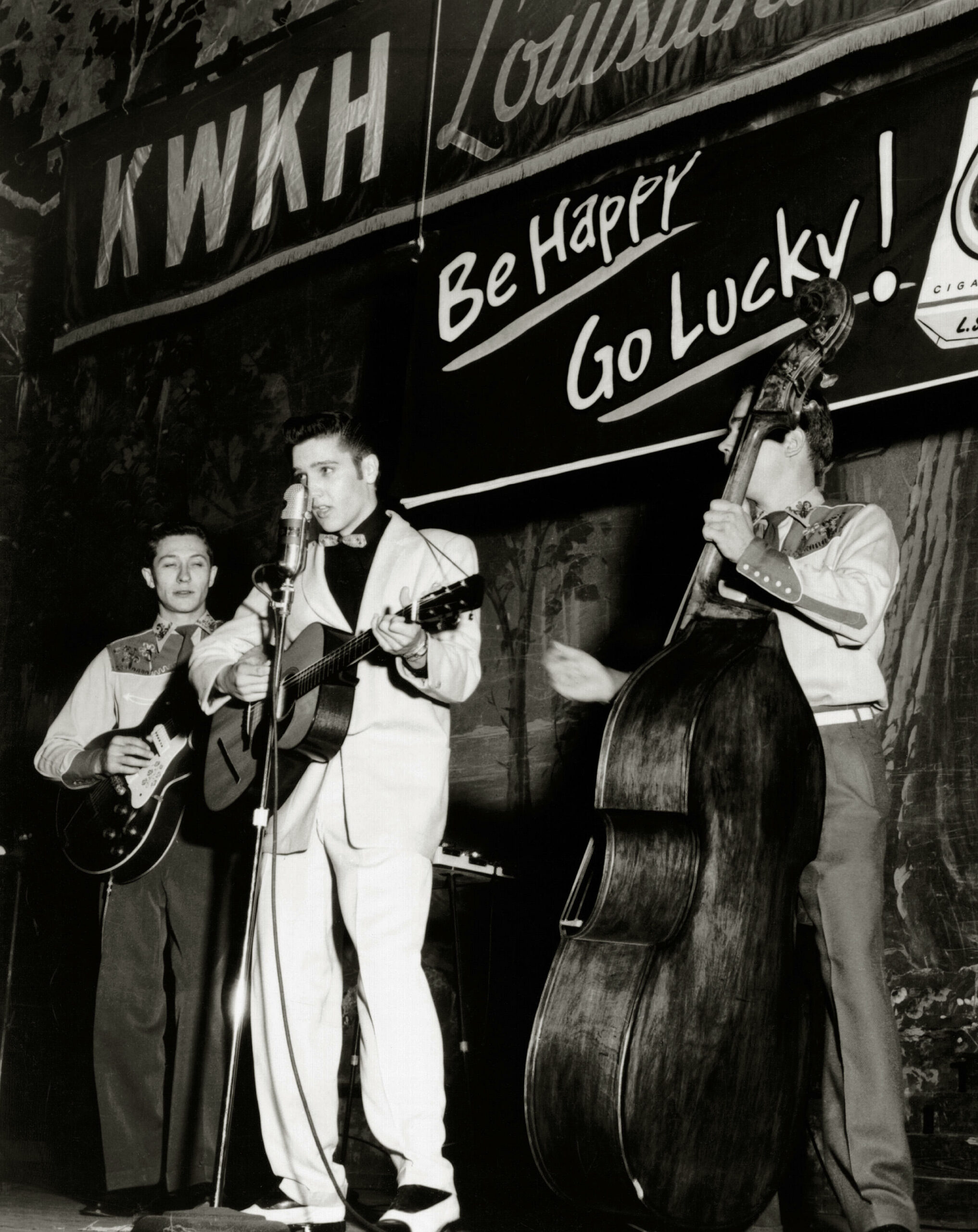
Before the Beatles in the 1960’s, the Rolling Stones in the 70’s, Michael Jackson in the 80’s, and well before the modern mega-stars like Beyonce, Taylor Swift and Ed Sheeran, there was “Elvis.” Elvis Presley is likely the most famous popular cultural phenomenon in the United States in the 20th century. And he is still very much a part of American culture. He is the “King of Rock-and-Roll.” His recording of That’s Alright Mama in 1954 is widely recognized as the “the big bang” of rock-and-roll. Without Elvis Presley, all the music that came after him would not have happened when it did or in the same way. Elvis contributed to the American fabric and changed the entire world with a cultural impact that could never be equaled. He created something new, something purely American that changed music forever across the globe. As John Lennon said, “Before Elvis, there was nothing.”

When Elvis burst onto the music scene, Elvis was considered controversial for his provocative movements on stage and staggering good looks, which included sideburns and what was considered “long” hair at the time. His first number one song, Heartbreak Hotel, was the first record to sell more than a million copies for RCA Records. He followed it up with seventeen number one hits in the years that followed. Some estimate Elvis has sold as many as one billion records worldwide. Elvis also made thirty-one films and spent years headlining in Las Vegas. Look him up. Listen to his evolving music from the 1950’s to the 1970’s and check out his movies. Elvis was and is a culture-changing phenomenon.

Sadly, Elvis’ contributions to music, culture and society are becoming less known and less understood. Instead, an image of an icon that barely resembles the real man is now left in place for many youth today. Most young people are aware of who Elvis Presley was and recognize his image, yet most are not familiar with his music. Upcoming generations only hear of his downfalls or the sensationalized stories of sex, drugs and rock-and-roll. His “bigger than life” persona overshadows his humanity. Most do not know how truly original he was or understand his “rags to riches” story. They are not unaware of just how giving the man was and how first and foremost, he saw himself as a provider. We intend to shine a light on those hidden places in the following pages.

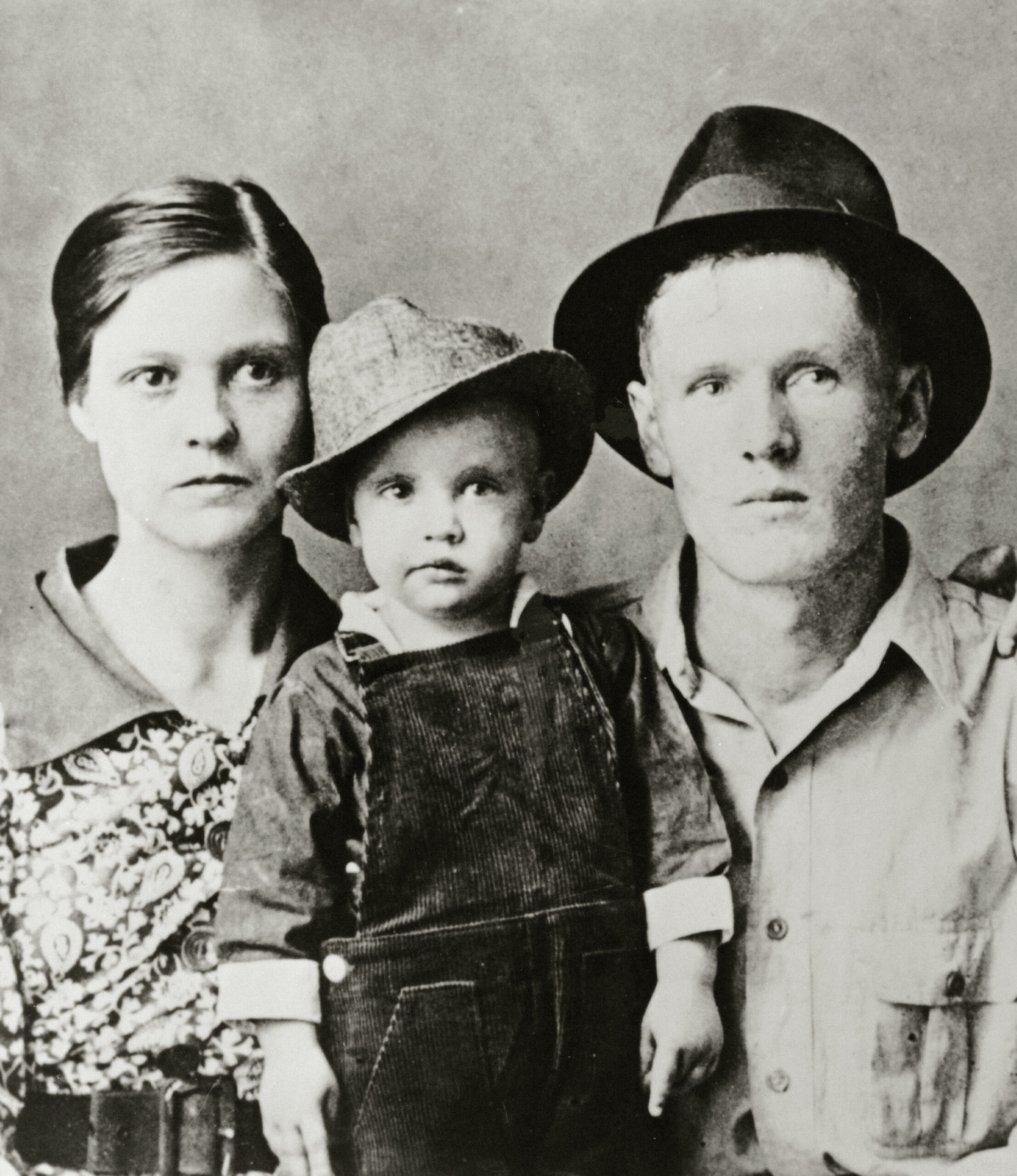
Elvis was born in Tupelo, Mississippi in 1935. He was born at home in a tiny two-room house. His twin brother was stillborn, and the family was so poor that the baby was buried in a cardboard box and placed in an unmarked grave. Elvis was on the receiving end of the community’s generosity quite literally from the day of his birth. The community came together and donated what the young couple needed to not only bury one son, but to take care of the surviving baby. Of course, there was little time to grieve. The Presley’s came from a long line of sharecroppers, and Vernon and Gladys (father and mother) had to get right back to the fields to pick cotton in order to put food on the table.

Eventually, the Presley family migrated to Memphis in the fall of 1948, leaving the cotton fields, Tupelo, and their Mississippi roots behind. Memphis was a big city located a couple of hours north and held at least some promise for a better life. Elvis, only thirteen years old, had not yet burdened himself with the responsibility of pulling his family out of poverty. He knew times were tough; everything he held dear in possessions and people fit into a beat-up, eleven-year-old, green Plymouth. His family had worked hard all their lives, yet they had few possessions. Looking back, Elvis described the scene:

We were broke, man. Broke. And we left Tupelo overnight. Dad packed all our belongings in boxes and put them in the trunk and on top of a 1939 Plymouth. We just headed for Memphis. Things had to be better.

But things did not get better for the Presley family, not for a long time. Dire poverty followed the Presley’s to Memphis. They spent the first year in boardinghouses and struggled to pay weekly rent. Billy Smith, Elvis’ cousin, remembers dumpster diving and a very limited diet, especially that first year.

We lived next to a vegetable stand … what produce they couldn’t sell, they threw out in the trash cans. I remember going through there and finding bruised bananas to eat because when you’re that poor, you scavenge for what you can get.

Finally, the family was selected for government housing. The Presley family lived in a tiny (698 square feet) two-bedroom Memphis apartment for four years. This was three years longer than he had lived in any one place in Tupelo. Elvis craved stability and, for that short period, he found it in that apartment. It carried some stigma, but it was a consistent home.

From the time that Elvis was young, he felt an enormous responsibility to provide for his parents and to pull them out of poverty. His mother remembered it well:

When he was hardly four, he’d tell me, ‘Don’t worry, Mama. When I’m grown up, I’ll buy you a big home and two cars.’ All his life he would say out loud what he was going to do for us, and he’d say it in front of other people. And you know, I believed him.

Therefore, upon graduating from high school, Elvis gave serious thought to becoming an electrician. He believed that having a skilled trade would allow him, not only to take care of his parents, but also to support a family of his own. As it turned out, Fate had other plans for him. Young Elvis, like all rural Southerners, loved rockabilly music, a predecessor to rock’n’roll. Furthermore, he had been gifted with an acoustic guitar on his 11th birthday and he subsequently had won a high school talent show. So one day, on a break from his work, he stopped by Sun Records, a local recording studio, to drop one or two songs for his mother. And, with that proposed gift for his mother, Elvis’ life shifted in ways he never could have anticipated. When Sun Records released That’s Alright Mama, it became an instant hit below the Mason Dixon line. It wouldn’t be long before television would make Elvis Presley a household name.

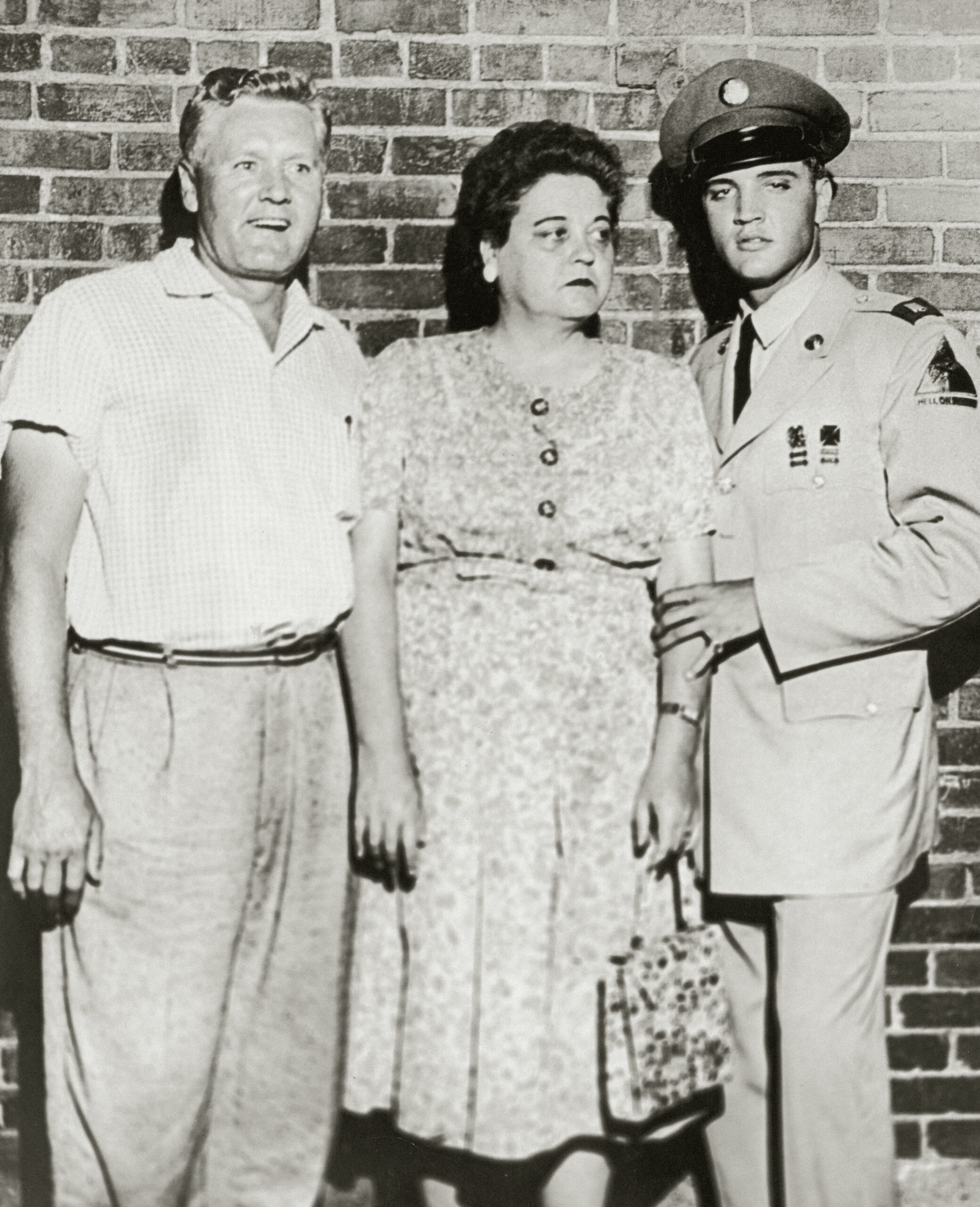
A typical twenty-one-year-old might opt for a bachelor pad for himself and a small home for his parents, but Elvis’ vision included his whole family living comfortably and securely together. So just as soon as he could, he made it happen. With Elvis’ growing fame came increasing spendable wealth, and he could give his family that home of his dreams. It was a mansion named Graceland and that purchase was a defining moment for the Presley family. It certainly was one of Elvis’ proudest and most satisfying lifetime achievements. These were the same people who struggled their entire lives. The same people who rarely had a shack to call their own and bought pillows ‘on time’, were now pulling up to a mansion in the then-countryside outside of Memphis—a mansion they would all call home. This financial leap must have seemed incomprehensible in so many ways. Everyone they had ever known — generation after generation — lived in poverty. Now the Presleys were part of this unfamiliar world of wealth, fame and privilege:

We were poor when I was coming up, real poor… My Mama and Daddy have made a lot of sacrifices for me, June. You can’t imagine how good it makes me feel to be able to do something for them now. They really had it rough, but thank God, not anymore!  Well, yes. We’ve gotten quite a bit of stuff. I mean, nothing real big. I’ve got them anything that I think they might want. I’ve gotten Daddy some suits, and Mother goes to town now, and she buys anything she wants, which makes me feel real good.

From the age of nineteen onward, Elvis would become the sole breadwinner and support for his immediate family. Over time, he included many of his kin. For example, paternal grandmother Minnie Mae Presley who had been living with the family for years. In those days she had been sleeping on a cot in the kitchen of the boarding houses or on a small bed in the corner of a shared room. Minnie May soon was followed by other kinfolk — close or distant, real or fictive — who came from dismal backgrounds similar to his own. Over the years, Elvis provided for close to twenty family members at any given time, with many living at Graceland.

Now, as Elvis’ fame grew, so did the entourage of guys Elvis kept around him, a group the press affectionately called the, “The Memphis Mafia.” Elvis provided for them too. In fact, not being able to ask people to leave became a problem for Elvis over the years. After all, if ten people could fit in a sharecropper’s one-room shack, then any given number of people could fit in Elvis’s mansion at any given time. He felt he was lucky to have earned so much money and he wanted to share it.

Elvis was thrilled to have his parents and grandmother under one roof, even if the newfound wealth was difficult for all of them to comprehend. Elvis defined financial success as “having enough to help others.” He felt money had a purpose, therefore stockpiling it in the bank was never his intention. He wanted to buy what he needed and desired, and he wanted to provide for his family and friends. It is not legend, but rather fact, that he also loved giving it away. Elvis had felt helpless his entire life whenever he felt judged by people with money.

Indeed, Elvis’ caretaking generosity extended well beyond his family, friends, and fans. For example, Elvis gave away over 100 Cadillacs in his lifetime. Why? Elvis knew what it was to be poor and helpless. “Elvis never forgot the experience of being in poverty, ever. It stuck with him all his life,” stated his ex-wife, Priscilla. As a close friend to Elvis in later years, Sammy Davis Jr. knew this to be true as well.  Sammy was originally offered the Mac Davis tune “In the Ghetto” but he turned it down. “In all authenticity, I can’t do this song because I haven’t lived this,” recalled Sammy Davis Jr. He continued, “But I’ll tell you who did, Elvis Presley.”

So, in his lifetime Elvis Presley gave cars, jewelry, homes, money and countless other items to friends and strangers alike. For example, he once saw a young girl walking a bike down the road because of a flat tire. He took the girl to a bike store for a new bike and then dropped her back home. Elvis also read in the newspaper of a fundraiser for a new wheelchair for a disabled woman. He found out where the woman lived and personally delivered a new wheelchair to her.

Elvis’ deep sense of responsibility came at a terrible personal cost. For one thing, he could not stop his over-the-top pace of work because he was being driven by his desire to provide financially for his family and friends. In addition, Elvis continually felt a responsibility to never disappoint his fans. His need to serve led to a number of poor choices. He never rested when his body demanded rest. “When we were on the road tours, I sometimes wouldn’t know what state and city I was in,” recalled Elvis’ nurse, Tish Henley Kirk. “We were in a different town all the time. And I wasn’t up there doing the shows and wearing myself out like he was.”

Life on the road wore Elvis out, and when he was not touring the country, he hosted consecutive concerts in Las Vegas. “Instead of working maybe five nights a week and two nights off for a couple of weeks, like Frank Sinatra and everybody else did, he worked for four weeks, seven nights a week, and two shows a night,” recalled Memphis Mafia member Red West. He also began to self-medicate so that he could continue to perform at the powerful level to which his fans had become accustomed. But when those close to Elvis would plead with him to slow down and take time off, he would reply “I can’t (take time off). Too many people rely on me.”

Horribly, what no one knew at the time, no doubt including Elvis, was that he had several unrecognized medical disorders, many of them since his birth. He also had other medical disorders that had remained unrecognized and untreated. And his lifestyle was killing him.

Elvis was his own worst enemy at times, but he did the best he could. He simply wanted to continue being “Elvis Presley.” That is, he needed to be able to provide for extended family, friends, and fans at all costs. Unfortunately, this lifelong character trait of accepted responsibility was not tempered by the trait of prudence.

Elvis examined his own frailty as a human being in a 1961 interview when he was only twenty-six years old: “I look at myself strictly as a human being that has been very lucky, but whose life… can be snuffed out in just a matter of seconds… I am not anything supernatural or better than any other human being.” As it later turned out, Elvis was right; He was both lucky and human. He achieved fame and notoriety achieved by few others and, in doing so, shifted the cultural universe. Yet, being human, his life ended when he was only 42. It happened in a matter of seconds, on the morning of August 16, 1977. Looking back with today’s medical understanding, it is much easier to understand his early death. His intense lifestyle and self-medication did not mix well with his congenital birth defects and medical issues. His body just threw in the towel. It could not function at that pace any longer.

However, even in death, Elvis is still doing what he set out to do: provide for his family and friends. His archived works and financial investments still provide for his descendants and associates. As evidence of his fame today, a 2016 album, blending Elvis’ voice with the Royal Philharmonic Orchestra was released. Forty years after his death, the album went straight to #1 on the charts. In 2022, the movie “Elvis” also was number at the box office. His legacy — including Graceland — still brings a steady stream of tourists to Memphis each year. Graceland is the third most visited building in America, attracting 650,000 visitors annually.

The post Elvis Presley – Responsibility appeared first on Character and Leadership.

from Character and Leadership https://ift.tt/ynQcwht

Wes Moore – Leadership

“The chilling truth is that Wes’ story could have been mine; the tragedy is that my story could have been his.”

Wes Moore graduated from Johns Hopkins University in 2000 — one of America’s most elite universities — and then was admitted to England’s preeminent Oxford University as a Rhodes Scholar. The latter is a huge honor won only by 32 graduating scholar-athletes each year. Moore was rightly proud of himself, and he looked for this story in his daily newspaper, The Baltimore Sun. There it was, right on the front page. After reading it, he scrolled down to the bottom of the page only to spot another story that proved to be of even more interest to him. That second story was of another young man who shared his name.

This other Wes Moore had been arrested for an armed robbery that resulted in the death of an off-duty police officer. He had just been convicted of these crimes and was sentenced to life in prison without the possibility of parole.

Our Wes Moore was intrigued by the story of this other Wes Moore. He did some preliminary research and discovered that they had a lot in common. For starters, they were born in the same year, in the same city of Baltimore, Maryland. Both men were Black and had been raised predominantly by their mothers. Both had been involved in petty crimes as young children and both struggled to succeed in school. However, our Wes Moore was about to travel to England to attend Oxford University on the most competitive academic scholarship in the world. The other Wes Moore was set to spend his life in a 6 x 9 cell at Jessup Correctional Institution.

After receiving his master’s degree in international relations at Oxford University, Moore couldn’t shake the story of the other West Moore. He felt a gnawing connection to this man whom he had never met. Finally, Moore sat down and wrote the other Wes Moore a letter. He introduced himself and asked a lot of questions. About a month later, the other Wes Moore wrote back: “Greetings, Good Brother, I send salutations of peace and prayers and blessings and guidance to you for posing these questions, which I’m going to answer.”

For the next several years, these two young men started writing back and forth to each other. Moore also visited the other Wes Moore in prison numerous times. He wanted to juxtapose their life stories to understand what led one of them to go one way and the other to go 180 degrees in the other. He also conducted hundreds of hours of interviews with the other Wes Moore’s family and his circle of friends. The end result was a national best-selling book entitled, “The Other Wes Moore: One Name, Two Fates.”

“The Other Wes Moore”

The other Wes Moore was born and raised in a dangerous section of Baltimore. His mother, Mary, had become pregnant at the age of 16 and gave birth to Tony. Two years later, she got pregnant by another man and gave birth to Wes. Wes’s father never even made it to the hospital for the birth. Neither adult relationship worked out. “Mary was left with two alcoholic, abusive men who shared the DNA of her two children. But no husband or dad for her boys.” Wes only met his father a handful of times, and each time was more disappointing than the last.

Mary had to work long hours at her job. This mainly left older brother, Tony in charge of supervising Wes. At first, this was not ideal because Tony was just a child himself. Later, it was problematic because Tony became a drug dealer who had gained a reputation as a tough kid in the dangerous projects of Baltimore. According to his little brother “Tony was a certified gangsta.”

Furthermore, the other Wes Moore struggled in school; not because he wasn’t smart enough, but because he didn’t try. He cut classes and didn’t do his homework. By the time he was eight, Wes was arrested for threatening another boy with a knife in a fight. Despite Tony’s fierce warnings about following in his footsteps, Wes graduated to selling drugs for a local gang. He initially took a job as a “lookout” who alerted the dealers that the cops were coming. Within months he began storing thousands of dollars of drugs in his room and selling them on the streets.

At the age of 13, Wes met Alicia. Following several months of unsupervised dating and unprotected sex, she became pregnant. And, just like that, his family life cycle continued into a new generation. In 1991, 12% of teenage girls in Baltimore had given birth. Like many of them, Alicia believed that Wes would stay with her and help raise the baby. Wes, however, lacked any type of positive male role model, and followed in his father’s footsteps. He left Alicia and began dating another teenage girl.

This new girl was shacking up with Wes at his mother’s house. One night when she got up to leave, her ex-boyfriend was waiting for her at the door. An argument ensued. This boy punched Wes in the face multiple times. Wes then ran upstairs and grabbed his 9mm handgun and bolted outside. A friend of Wes also grabbed a gun and together they chased this boy down and shot him. This was the second time Wes had been arrested. But this time the charge was for attempted murder and Wes was placed in the Baltimore County Detention Center. Then, upon release from juvenile detention, Wes became the head of a drug-dealing crew — which led to more arrests. Wes also produced three more babies with multiple women.

Clearly the life of the other Wes Moore had spiraled out of control. By the age of 20, he felt that he was too old to go back to school, but too old to continue gang banging and pedaling drugs. Wes was tired. He made an honest attempt to join the Job Corps Center. While there he earned his GED and chose a life-long skill as a carpenter. Consequently, Wes felt like a changed man. He attempted to provide for his kids and his babies’ mamas. He stopped dealing drugs and hanging out on the corner.

Unfortunately, the temptation of thug life was just too appealing. At the urging of older brother Tony, Wes and three other armed men put on ski masks and robbed a jewelry store. Collectively, they stole over $438,00 worth of jewels. After they ran out of the store, a security guard named Bruce Prothero, an off-duty policeman and father of five children, followed the gunmen into the parking lot. Tony got the jump on the officer and shot him three times at point-blank range. Officer Prothero died on the spot.

An intensive manhunt ensued. To make a long story short, all four men were apprehended. In a plea deal to avoid the death sentence, Tony admitted to killing the officer. Wes elected to go to trial and a jury found him guilty of first-degree felony murder. The sentence was life in prison without the possibility of parole. At the sentencing trial, the judge lectured: “You committed an act like something out the Wild West, and you didn’t even realize how dangerous it was. That makes you a very dangerous person.” And with that, the life of the other Wes Moore was finished.

Wes Moore

Like the other Wes Moore, the Wes Moore we are featuring in this chapter was born in 1978. His mother, Joy, was an immigrant from Jamaica and his father, Westley Moore, was a hard-working broadcast news journalist. Together, with older sister, Nikki, and younger sister, Shani, they lived in a middle-class neighborhood in the urban city of Tacoma Park, Maryland. Their proximity to Washington DC brought them closer to dangerous crime, but it also allowed the father to easily commute to his work as the host of a radio show on WMAL.

This story had all the beginnings of a beautiful life for Wes. Nevertheless, he gradually began to look similar to the “other Wes Moore.” Tragedy struck the family when Wes was only 3. Right before his eyes, his father collapsed and died. It was a totally unexpected event. It was dreadful to see a young promising Black man with a bright career in broadcasting die so young. However, for Wes and his family, it was an even greater loss. Wes lost the loving father who would never get the chance to guide him through life.

His mother, Joy, understood that their neighborhood was becoming more dangerous and that there had been an uptick in break-ins. She recognized and adapted to the difficulty of raising three children on a single income in an unsafe environment. She began sleeping on a couch in the living room after her husband’s death. Joy rightly reasoned that by sleeping by the front door, she would be the first person whom an intruder would encounter. She also led a strict household with strict rules to protect her children from the crime that existed outside their doors.

These family dynamics continued for two years until Joy phoned her mother and confessed, “Mom, if it’s still all right, I think we need to move up there. I can’t do this anymore.” Three weeks later, the family made the move from Maryland to the Bronx, New York. This is where Joy was raised by her parents. The neighborhood was safe and she would have the support of her parents. This was clearly going to be a positive move for the family.

However, as they drove down the burned-out streets in the Bronx, she quickly learned that things had changed in her old neighborhood. While driving to their new home for the first time, Joy witnessed a drug deal on a street corner between a junkie and a seasoned drug dealer. Drugs and gangs had always played a role in the inner-city, but the introduction of crack-cocaine in the 1980’s accelerated the destructive forces of gangs, crime, poverty and fear.

Moore’s grandparents were retired. His grandfather was a retired minister for the Dutch Reformed Church, a rather strict religion. “I had thought my mother’s rules were strict,” wrote Moore. “But soon realized that my grandparents’ were many times worse.” All chores had to be completed before the children were allowed to go outside and play. When the streetlights came on, kids had to come home. Most importantly, if gunfire or other “foolishness” was heard, children were to immediately return home. Joy also determined that the public schools were not safe, so she enrolled each of her children into private schools. Wes went to Riverdale Country School, the same school that President John Kennedy attended as a child.

Even though this Wes had the structure and support the other Wes did not have, like him he found ways to get into trouble. For starters, he was suspended from school for fighting within the first two weeks. When he discovered that his school only took attendance in home room, he frequently spent the rest of the day elsewhere. Consequently, Wes fell behind and received barely passing grades. The Dean of Riverdale School made frequent calls to Mrs. Moore to discuss corrective behavior. And, when Wes did not change his ways, he was placed on academic and disciplinary probation.

While all this was going on, Wes fancied himself as a graffiti writer with the self-declared nickname of “Kid Kupid.” He had a street friend named Shea with whom he tagged the neighborhood. One day they decided to improve the exterior walls of a local pool hall. Within seconds of completing their “work of art,”, a police cruiser turned on its siren. Wes took off running but was caught by an officer and slammed against the hood of the police car. With both hands behind his back, the officer slapped the cuffs on young Wes. “I understood where I was going,” he would later write. “I was being arrested.” Within seconds, Wes and Shea were thrown into the backseat of the police car. The police officer delivered a stern lecture to Wes and his young friend and were let go with a warning. Of course, the warning didn’t work. Within a week, Wes was at it again.

Wes’ mother was beside herself. She was worried about her son’s future. She had been threatening military school for years, but no one took her seriously, including Wes. However, she knew she was losing Wes to the streets. Without the right intervention she could lose Wes altogether. She felt like she was out of options. This was the pivotal, make-or-break moment for her young son’s life. The grandparents agreed to re-mortgage their house to help pay for the first year of military school. Joy wrote letters to all her relatives. She explained the dire situation and asked for financial support. Within a few weeks, 13-year-old Wes found himself living in the barracks at Valley Forge Military Academy in Pennsylvania.

To a 13-year-old who was trying to figure out life and explore his options, military school must have felt like a straight-jacket. Military school is a place of strict discipline and unbending rules. Shining shoes, cleaning toilets, and making your beds with military style precision were mandatory parts of a student’s life. New students were called “plebes,” which basically meant that they had not yet earned the right to be called student-cadets. A plebe had no rights. They had to ask permission for everything, including permission to go to the bathroom. Plebes were not allowed to make phone calls, watch television, listen to music, or have visitors. They were ordered around by upperclassmen and commanding officers.

When Moore refused to get out of bed at 5:30 a.m. on his first day at the school, he was yanked out of the top bunk by eight ranking members in his chain of command. This was followed by a lot of yelling and choice words directed at the defiant plebe. Moore would later say, “For the first few days, I woke up furious and went to bed even more livid.” He hated military school so much that he unsuccessfully tried to run away four times in the first week.

Military schools specialize in instilling structure, discipline, and respect. They teach these tenets because this process has proven to be successful for hundreds of years. They produce great soldiers and great leaders. Over the next several years, this proven process paid dividends for the young Wes Moore. He was compelled to live the school motto, “No excuses, no exceptions.” He became a new person. He was well on his way to meeting his full potential and finding purpose in his life.

Over time, Wes became a platoon sergeant, a cadet master sergeant, and the youngest senior noncommissioned officer in the entire corp of cadets. He also thrived as a starter, and later as a captain, of the basketball team. He was on his way to becoming a leader. As a senior at Valley Forge, Moore was selected to be the regimental commander for the 70th Corps of Cadets. This promotion made Moore the highest ranking cadet at the school, which meant he was given the responsibility of leading all the other student-cadets.

So, to sum up, in four short years, Moore went from being a troubled teenager with a sketchy future to becoming a capable leader with serious goals and ambitions. Before graduation, Moore decided that the Army was going to be a part of his future plans:

“My next decision was clear. I wanted to stay at Valley Forge and attend its junior college, which would allow me to go through the early commissioning process, receive my associate’s degree and become a second lieutenant in the Army. I wanted to lead soldiers.”

Moore executed this plan with great precision. Upon graduation with his associate’s degree and receiving his commission as a Lieutenant of the U. S. Army, he was accepted to Johns Hopkins University, where he subsequently earned his bachelor’s degree in international relations and economics. During this time, he played football for the university and served in the United States Army Reserves. As was presented earlier, Moore then became a Rhodes Scholar and attained his master’s degree from Oxford University. As a member of the 82nd Airborne Unit, he also was briefly deployed to Afghanistan and Pakistan during the Gulf War.

Moore certainly had an impressive resume. It all looked good on paper, including a notable internship with Mayor Schmoke of Baltimore and as a White House Fellow assigned to secretary of state, Condoleezza Rice. Moore understood that he was acquiring the necessary character, wisdom and experiences to make substantial contributions in this world. This is when he set out on his own journey.

First, Moore felt that he had a lot to say to the next generation. Consequently, he placed many of his life lessons within the five books that he wrote between 2010-2015. The central theme of these books is an individual’s struggle with life’s journey, the social-cultural variables that shape life decisions, and the greater search for purpose and meaning. In his own struggles with his personal journey, Moore asks the reader to join him in wrestling with these big-picture ideas of life. Cumulatively, Moore has sold millions of copies of his books and has inspired the next generation to strive for greatness within themselves. He also has founded a television production company to create meaningful content to further inspire young people.

At the same time, Moore also has made his mark in the world of finance. He worked for several investment companies on Wall Street and then took what he had learned to create the Robin Hood Foundation. Fundamentally, he had come to conclude that investing in the stock market is the best way for average Americans to reach their financial goals. The trouble is, most American don’t start investing until later in life. Robin Hood provided investment strategies that empowered poor Americans to begin investing now. Among other ideas, this firm allowed individuals to buy quarter or half shares of a stock to get themselves started. Also, whenever individuals bought something at a store for, say $2.12, the leftover 88 cents would automatically be invested in the stock market. (It may not sound like much, but it adds up over time.) There also was a charitable component of the foundation that focused on alleviating the problems caused by poverty. From the time that Moore was CEO (Chief Executive Officer) from 2017-2022, the company donated over $650 million dollars to schools, food pantries, and homeless shelters.

Finally, it should come as no surprise that Moore always had his eyes set on politics. He has wanted to serve his country, and he believes that, with the right team, he can make sweeping changes that positively impact American citizens. So, in February of 2021, Moore announced his candidacy to be Governor of Maryland. He ran as a Democrat with the campaign slogan of, “Leave no one Behind.” He won the election with 64.7% of the vote, becoming the first Black American to serve as the governor of Maryland.

As the reader can appreciate, at every step in his life Wes Moore has been a proven leader. He became a leader at Valley Forge Military Academy. He was a leader in the United States Army and as the CEO of the Robin Hood Foundation. Moore also has been a good husband and a loving father to his two children. At the time that this chapter is written, it is unknown what type of political leader he will become. But Wes Moore has put into place a solid team and is executing his vision for the people of Maryland. It will be interesting to watch his career and see where he ends up in the next several decades.

To conclude this chapter, we want to bring your attention back to the comparison between this Wes Moore and the other Wes Moore. This Wes Moore believes that there is not one singular variable that leads people to move in one direction or another. Instead it is a combination of factors that play out over time. He is convinced that his family was the anchor of his life and set a solid foundation. When that wasn’t sufficient, the family rallied together to create an effective intervention to set him on the right path. Military school then removed unhelpful distractions while offering him positive role models and mentors. Those mentors taught Moore that “no accident of birth – not being Black or relatively poor, being from Baltimore or the Bronx, or fatherless – would ever define or limit me.” Moore wants every American to learn this important lesson. He learned how to become a Leader and he believes that you can too.

Moore rightly points out in his conclusion to The Other Wes Moore: “The chilling truth is that Wes’ story could have been mine; the tragedy is that my story could have been his.” He further states: We too can come to recognize the potential in ourselves and in our surroundings, dream big, make it happen, and lead our worlds (small and large) to a better place — while nurturing yet another generation of leaders in the process.

The post Wes Moore – Leadership appeared first on Character and Leadership.

from Character and Leadership https://ift.tt/J8PmgOt

Vivien Thomas – Character

“I think he is the most untalked about, unappreciated, unknown giant in the African American community. What he helped facilitate impacted people all over the world.”


The hospital at Johns Hopkins University is one of the most prestigious places to practice as a medical doctor. Many major medical breakthroughs have occurred there, and, as you walk the halls on campus, you will notice numerous portraits of the prominent doctors who have trained, worked and taught at this fine institution. Two of these portraits sit side-by-side because the individuals depicted are indelibly linked.  The first portrait is of Dr. Alfred Blalock, a pioneer in cardiac surgery. Situated next to Dr. Blalock is the portrait of Mr. Vivien Thomas. However, unlike all of the other people in these portraits, Thomas was not a physician. He was a Black man with a high school education who had served as Dr. Blalock’s lab assistant for 34 years. This chapter will explain why the portrait of Vivien Thomas rightly belongs next to that of one of the leading cardiac surgeons this country has ever known. His story will also demonstrate how his overall character makes him a role model for us all.

Vivien Thomas was born on August 29, 1910, to Willar and Mary Alice Thomas. His mother was certain that she was carrying a girl, so the young couple named the baby Vivien months before the birth. The couple never changed his name. And, because Vivien’s father was a master carpenter, he naturally taught his son the trade. And from the time Vivien was 13, he worked for his father on the weekends and throughout the summers.

Vivien Thomas was mostly raised in Nashville, Tennessee during its “Jim Crow” era. This era was marked by the ugly and unjust ways that Black individuals were treated after America’s Civil War between the States. The States of the Confederacy were afraid of the power of their newly-emancipated Black population. Therefore they passed laws — called Jim Crow Laws — to subdue them.  Although this body of laws was touted as a “separate by equal” doctrine, there wasn’t much equal about it. White folk and Black folk could not eat at the same restaurants, go to the same schools, or even drink out of the same water fountains. All these things were forbidden in the South, and they did not end for 100 years. Then, the Civil Rights Acts of 1964 were passed by the United States Congress.

Despite all these barriers, Thomas set his sights on becoming a doctor. He was an honors student at Pearl High School in the graduating class of 1929. He had saved his money from the seven years he had worked for his father, and he was all set to go to Tennessee State University as a pre-med major. Unfortunately, the stock market crash of 1929 triggered the Great Depression which, in turn, would dominate the social and economic landscape of the entire United States for the next ten years. Because Thomas had kept all of his money in one of the banks in Nashville that defaulted, within a matter of days he was a broke 20-year-old kid. Thomas also found himself unable to earn a living. His carpenter skills were worthless: Because the banks had collapsed, almost no one was able to secure a loan to build houses. Therefore, Thomas’s ideas about going to college had to be put on hold, while he now had to compete against other people for jobs that simply ceased to exist after the stock market crash.

At this juncture, Thomas asked a friend if they were hiring at Vanderbilt University. The only position available at the time was a lab research assistant, working for a Dr. Alfred Blalock. Thomas gratefully accepted that job as a research assistant even though, because he was Black, he was classified and paid as a janitor. (Vanderbilt was located in Tennessee, a Southern State.) Despite his job title, within 24 hours, young Thomas was assisting Blalock with surgical experiments. Blalock was immediately impressed with Thomas’s work ethic and skills, and so he assigned more responsibilities to his young assistant. Within a few weeks, Thomas was conducting the initial parts of these surgeries by himself. Within a year, Thomas took over the lab.

Dr. Blalock’s research was focused on understanding the reasons why some people went into traumatic shock and what treatments would best save their lives. He conducted most of his experiments on dogs. The idea was to create a state of shock in these animals and then try many different procedures to save their lives. Blalock taught Thomas to document every step in the process with copious notes so that their successes could be replicated. Together, they disproved many of the traditional theories of the day while providing an alternative theory and treatment. They proved that shock was caused by the loss of blood and other fluids. They also established a new standard of care by replacing fluids in the body with water, blood, and plasma. Their discovery would save the lives of untold millions of men on the battlefields in WWII.

The relationship between Blalock and Thomas was complicated. In many ways, it captured race relations in America during the 20th Century. It was shrouded in power imbalances based on race, education, and work hierarchy. For example, shortly after Dr. Blalock published several articles on the successful experiments, he began receiving a great deal of acclaim. Blalock obviously knew the contributions of Thomas, but he never mentioned Thomas’s name in any of those publications. This deeply hurt Thomas. Yes, he worked under the direct supervision of Blalock, and it is customary for the senior professor to receive the credit. However, Blalock fully understood that Thomas was the one conducting the day-to-day experiments.

In the privacy of the lab, the two were good friends. They were able to talk, laugh, and share ideas. Each was free to fully argue their points without society casting judgment. Outside the lab, however, it was all “Jim Crow.” Both men were constrained by societal boundaries. All the students at Vanderbilt University were white. The entire faculty was white. Black people served as janitors, cooks, and secretaries. There were no exceptions. Blalock understood the value of this fine young man working by his side, but he also knew that Black individuals could not possess a job title higher than janitor. This reality created a major strain on their working relationship. This became more pronounced in 1933 when Thomas married Clara Beatrice Flanders. As the main breadwinner, Thomas soon had to provide for his wife and two daughters, which was difficult on a “janitor’s” salary.

Meanwhile, Blalock’s name was bantered about by universities that wanted to hire the new hot-shot doctor. With each offer that came in, Blalock always made it a condition that  Thomas accompany him. In 1941, Johns Hopkins University accepted these terms. Blalock was subsequently hired as Chief of Surgery and Thomas was hired to run the research laboratory.

Thomas was ambivalent about the move to Baltimore. “I didn’t know what to expect at Hopkins,” stated Thomas. “It would mean leaving our community and the house that I had built with my own hands. But we were young and hoped that big things lay ahead.” Mrs. Thomas had other thoughts when she arrived in the big city. “I was ready to go back when I saw Baltimore,” reflected Clara. “All I wanted to do was get out as fast as I came in. It was something I had to put up with and I put up with it.”

It turns out that the race relations of Baltimore were not much different from the deep South. Historian Fraser Smith observed “There were just as many exclusions for Black people in the city of Baltimore as there were anywhere else. In some ways, they were worse and more pronounced and divided.”

Johns Hopkins University was no exception to the rule. The university was very segregated and so was its hospital. Moreover, raised in southern Georgia, Dr. Blalock was not opposed to segregation and he had white Southern attitudes about race. Therefore, Blalock had to hold two separate thoughts as true in his head at the same time: His beliefs and stereotypes about the inferiority of Black people in general and his respect for Thomas as an individual. Indeed, Blalock fully understood that he could not succeed without Thomas by his side.

So, Blalock did fight for Thomas. For example, when Thomas could not find acceptable housing in Baltimore, Blalock invited him to live with his family for several months. Blalock also gave Thomas the finest white lab coat to wear at work, which directly contrasted with the strict dress codes and norms of the university. Over the years, Blalock also fought for job titles and pay grades commensurate with Thomas’ duties. These attempts were not always successful, but he did try.

As the chief of surgery at Hopkins, Blalock was looking for a new research project that was worthy of his time. One day, Dr. Helen Taussig, chief of pediatric cardiology walked into Blalock’s office to discuss the congenital heart disease of the babies in her care. Because these babies’ hearts could not circulate blood throughout the body, they were left with a blue complexion. She called these patients, her “Blue babies.” This condition was essentially a death sentence for these babies because medical professionals had no viable treatment. Thousands of blue babies were born every year and their parents were desperate for a cure.

Blalock agreed to make this medical issue the top priority at the lab. However, at the time, treating the heart was off-limits for doctors. It was viewed as taboo to do surgery on the heart. Doctors weren’t supposed to “play God.” Blalock, however, was just the kind of person to challenge the norms of the medical establishment. Of course, as chief of surgery, he had many responsibilities in the hospital. He could supervise the research, but Thomas was left to run the daily experiments. “They came up with a very ingenious idea of connecting an artery that sent blood out into the body to an artery that brings blood into the lungs,” wrote historian Wayne Miller. “By doing that, they added significantly more oxygen to the blood.”

The first task was to find medical devices that could facilitate such an experimental procedure. They quickly discovered that these devices did not exist. Fortunately, Thomas’s background in carpentry came in handy for this task. He created the instruments himself, which would later become standard surgical equipment used in hospitals across the world. And, like other medical research hospitals, at Vanderbilt dogs were used to test their theories. So Thomas set out to reproduce the “blue baby syndrome” in these dogs and then he sought to perfect a procedure to save their lives. After months of trial and error, and over 100 successful surgeries on these dogs, Thomas developed a procedure that consistently worked.

Nearly every day, Thomas would update Blalock on the progress of the research. The relationship was a real give and take; Each person respected what the other brought to the table. One day, Dr. Blalock examined an incision that Thomas had made earlier in the day. Blalock asked, “Vivien, are you sure you did this? This looks like something the Lord made.”

The pair felt confident that they were ready to perform this operation on humans and begin saving lives. Eileen Saxon was an infant who weighed a fragile nine pounds. Dr. Taussig was sure that she would die within the next few days without intervention. Other doctors thought this little girl was too frail to survive the surgery. In fact, when the anesthesiologist saw this tiny patient, he refused to participate. Of course, Blalock fully understood the risks of this experimental surgery, but he — logically — determined that this was Eileen’s only hope for survival. The surgery was set for the next day.

What’s true in 1944 is true today. Someone without a medical degree and proper credentials was not going to operate on a human in a hospital. The surgery was left to Dr. Blalock. So, at 8 am on November 29, 1944, Dr. Blalock and his team prepared Eileen for surgery. Other doctors watched from the balcony seating that surrounded the operating room. However, Thomas was not present. “Where is Thomas,” shouted Blalock. “Go get him.”  The reason was obvious. Thomas had performed this procedure over 100 times while Blalock had only successfully performed this surgery one time from start to finish.

At Dr. Blalock’s insistence, Vivien Thomas stood on a small step stool just behind him, and guided him through the procedure. Surgery was much more primitive in those days. Vital signs like heart rate, blood pressure, and oxygen could not be measured during surgery. Blalock was flying blind, except for the guiding words of Thomas. The two men who could not share the same lunch table at the university now stood elbow to elbow, making ground-breaking medical history. No one knew if this surgery was going to save Eileen’s life. The outcome would only be revealed when the team removed the arterial bulldog clamps after surgery. Within seconds of doing so, Eileen’s cheeks and lips turned a rosy pink color. Blood flow began racing through her body. It was like a miracle. Dr. Alan Woods who was present that day reflected, “I can’t even talk about that day without emotion. Everybody was crying.”

The success of this procedure put Johns Hopkins on the map. Surgeons from all the over the world came to this hospital to learn this ground-breaking procedure, eventually named the Blalock-Thomas-Taussig Shunt.  Moreover, desperate parents came from all over the world for the slim chance that Dr. Blalock could save their children. In the first year alone, doctors at Johns Hopkins School of Medicine performed over 200 life-saving surgeries while becoming the most famous department of surgery in the world.

And so, the relationship between the two men continued. “They depended on each other and each knew the other’s important strengths and roles and they simply leaned on each other,” recalled Dr. Alex Haller, then Johns Hopkins’ famed professor of pediatric surgery.  Indeed, if any doctor stood behind Blalock’s right shoulder during surgery, Blalock would loudly announce, “Only Thomas is to stand there.” Thomas’s responsibilities grew as well. Every surgeon in training was required to study surgical techniques under Vivian Thomas. And, as director of the surgical research laboratory, he was responsible for the surgical training of individuals who were handpicked by Dr. Blalock. Over the years, these highly trained doctors became known as “The Old Hands Club.”

One such member, Rowena Spencer, became Thomas’ assistant. Spencer became the first female surgical intern to work for Blalock, and one of the first female pediatric surgeons in the country. She relayed a story that she has repeated during her successful career: “Many times during my career I was complimented on my surgical technique, and I will admit that a good many people were shocked when I told them that I learned my surgical technique from a Black man who had only a high school education.”

And, while Thomas received a substantial raise and a new job title at Johns Hopkins, no one outside of this small circle of doctors knew his name or understood his contributions. Once again, as the research papers were published, the name Vivien Thomas was never mentioned. Worse, when parties were held to celebrate their achievements, Thomas attended, but as a bartender. Blalock looked at this gig as a way for Thomas to make some extra cash, and on some level, Thomas appreciated the opportunity. However, it put Thomas in a strange scenario whereby he was training individuals during the day and then serving them their drinks at night. More than anything, this moonlighting job drew a stark line between the white doctors and the Black man without a degree.

Thomas knew that he had what it took to be a doctor, but he also knew that he would have to attend 4 years of college, then go to medical school, and then perform a 4-year internship. Embarking on this adventure as a 40-year-old man meant that he would be older than 50 when he could begin to officially practice medicine. Still, in 1947 Thomas briefly enrolled as a freshman at Morgan State University, but he was devastated to learn that the university would not count any of his life experience as course credits. “He had a family and children,” commented family friend, Gwen Manlove Clarke. “He knew that he was going to let the dream of going back to college go. And that hurt. That was very crushing.”

Meanwhile, Blalock was receiving worldwide fame. He traveled throughout Europe to show the “blue baby” surgery to doctors. He attended parties and received honorary doctorates at major institutions. This type of pomp and circumstance went on for years. In 1948, Blalock was honored with the Baltimore “Man of the Year” award. In 1955, Blalock became chairman of the medical board of Johns Hopkins Hospital and held that position for 9 years. Finally, Blalock retired from Hopkins in 1964 because of health problems. His retirement occurred two and a half months before his death.

Ironically, as Blalock lay dying, the Civil Rights Acts of 1964 were passed. This meant that Johns Hopkins University and numerous other educational institutions were to be desegregated. Nevertheless, Thomas knew that his own time had passed to become a doctor. Instead, he became a mentor to promising young Black doctors who had set their sights on Johns Hopkins’ now internationally famous School of Medicine. One of these young African-Americans was Dr. Richard Scott who proudly said, “Thomas was the first male African American that was operating in an operating room – albeit the surgical research laboratories – who I could relate to.” Later that young man would return to Johns Hopkins and become their first Black surgical intern. “He was my initial supporter, said Dr. Scott. “It was a result of his encouragement that I was able to persevere in some of my career choices.”

On February 27, 1971, life began to turn full circle for Vivien Thomas. In a unanimous voice, members of Blalock’s “Old Hands Club” had quietly commissioned Thomas’s portrait and arranged to have it hung next to Blalock’s portrait in the lobby of the Clinical Sciences Building. They then invited Thomas, his family and his friends to a function. The purpose of this function was not disclosed, but people could tell that something monumental was about to happen. When they unveiled his portrait, Thomas modestly protested by saying, “This is not appropriate.” The moderator assured Thomas that he was wrong: “Oh, it’s most appropriate.” Thomas was then invited to the podium to give an impromptu speech. During his remarks, he said, “People in my category are not accustomed to being in the limelight as most of you are.  Being placed in the position I find myself now, makes me feel quite humble. But, at the same time, just a little proud.”

Nearing 60, Thomas began to receive the public attention that he so rightly deserved. On Graduation Day, in 1976, he received an honorary doctorate from Johns Hopkins. He was called “a man of the finest traditions of Johns Hopkins.” After 37 years at Johns Hopkins School of Medicine, Thomas was officially recognized as a teacher and was appointed to the school’s faculty. In 2005, Johns Hopkins School of Medicine began the practice of splitting incoming first-year students into four colleges, each named for a faculty member who had a major impact on the history of medicine. Vivian Thomas was chosen as one of the four names to represent those colleges.

It took a while for Johns Hopkins to catch up and understand the injustices they had perpetrated on the now-Doctor Vivien Thomas. On so many levels, these highly intelligent individuals had to know that Thomas should have been celebrated right alongside Alfred Blalock. Without any formal medical training or medical school, he helped to save the lives of so many people. Dr. Levi Watkins, Thomas’ first Black medical intern, looked upon Thomas as a man of great character:

I think the implications are extraordinary. Take a man like this, without much from anything, that impacts on inventions and also impacts on the nation’s premier heart surgeons. I look at him as a global person that rose above the conditions of his time.

…I think he is the most untalked about, unappreciated, unknown giant in the African American community, said Dr. Levi Watkins. “What he helped facilitate impacted people all over the world.

It also had taken a long time for America to catch up. Twenty years ago, most Americans had never heard of Vivien Thomas and the enormous contributions that he had made to medical science over his career. However, in 2003, the Public Broadcasting System (PBS) televised Partners of the Heart, a documentary that highlighted the long-term, complicated relationship between Blalock and Thomas. One year later, HBO released the movie “Something the Lord Made” to rave reviews.

Thomas passed away at the age of 75 after suffering from a stroke. However, before he passed, he was able to witness his nephew being admitted to medical school at Johns Hopkins. And, two days after he died, his autobiography Partners of the Heart was published.

The post Vivien Thomas – Character appeared first on Character and Leadership.

from Character and Leadership https://ift.tt/1Uw6vGu

Adapting to the Post-Pandemic Era: Real Estate Development in a Changing Office Landscape

The COVID-19 pandemic has brought about significant changes in how we work and has profoundly impacted the office real estate sector. As organizations and employees adapt to new work models and safety requirements, real estate developers face the challenge of reimagining office spaces to meet the evolving needs of the post-pandemic era. This article explores the key considerations for real estate development in a changing office landscape.

Remote Work & New Work Models

One of the primary factors influencing the office real estate sector is the widespread adoption of remote work. During the pandemic, businesses were forced to quickly transition to remote work models to ensure the safety of their employees. This experience has shown many organizations that remote work is feasible and can provide flexibility and cost savings. As a result, real estate developers must consider how to adapt office spaces to accommodate the growing trend of remote and hybrid work models. 

Health & Safety Focus

Another significant consideration is the focus on health and safety in office spaces. The pandemic has heightened awareness of maintaining a clean and healthy workplace. Real estate developers need to invest in technologies and design features that promote hygiene and ensure the well-being of occupants. This may include touchless entry systems, improved ventilation and air filtration systems, and the integration of antimicrobial surfaces. 

Amenities

The changing office landscape also calls for reevaluating the amenities and services offered within office buildings. As employees spend less time in traditional office spaces, developers must consider making the office environment more attractive and engaging. This may involve incorporating fitness centers, communal spaces, and wellness facilities that promote work-life balance and employee well-being. Real estate developers can also partner with local businesses to provide on-site services such as dining options and convenience stores, creating a more self-contained and convenient workplace experience.

Sustainability

Furthermore, sustainability and environmental considerations remain critical factors in real estate development. The pandemic has further highlighted the need to address climate change and promote a more sustainable future. Real estate developers can incorporate green building practices, such as energy-efficient systems, renewable energy sources, and sustainable materials, into their projects. 

Flexibility and Adaptability

Flexibility and adaptability remain key considerations in the post-pandemic office landscape. The past year’s events have shown that unexpected disruptions can occur, requiring businesses to adapt and adjust their operations. Real estate developers can address this by creating easily reconfigurable office spaces with modular furniture and flexible layouts that accommodate changing needs. 

The post-pandemic era presents challenges and opportunities for real estate developers in the office sector. Adapting to the changing office landscape requires reimagining office spaces to accommodate remote work, prioritize health and safety, offer attractive amenities, promote sustainability, and provide flexibility. By embracing these considerations, real estate developers can create office spaces that meet the evolving needs of organizations and employees, ensuring their projects’ long-term viability and success in the post-pandemic world.

The post Adapting to the Post-Pandemic Era: Real Estate Development in a Changing Office Landscape first appeared on James Kassouf | Leadership.

from James Kassouf | Leadership https://ift.tt/wAJgDTq

Sustainability in Real Estate Development: Building Green From Office to Mixed-Use Spaces

Sustainability has emerged as a key focus in real estate development in recent years. Developers increasingly incorporate green building practices into their projects to minimize environmental impact, reduce energy consumption, and create healthier and more efficient spaces. 

This article explores the importance of sustainability in real estate development, specifically focusing on green building practices in office and mixed-use spaces.

Design & Construction

Sustainable real estate development begins with designing and constructing buildings that prioritize energy efficiency and environmental impact. In office spaces, developers are implementing various strategies to reduce energy consumption. This includes using energy-efficient lighting systems, such as LED lights, and advanced HVAC (heating, ventilation, and air conditioning) systems that optimize energy usage. 

Eco-Friendly Alternatives

Furthermore, sustainable real estate development focuses on using eco-friendly materials and practices. Developers use sustainable building materials sourced responsibly, such as recycled or renewable materials. Additionally, construction practices are being optimized to reduce waste and minimize the environmental impact of the building process. This includes recycling construction waste, using water-saving fixtures, and implementing efficient waste management systems. By incorporating these practices, developers can create office spaces that are not only environmentally friendly but also promote healthier indoor environments for occupants.

Mixed-Use

The concept of sustainability extends beyond individual buildings to mixed-use developments as well. Developers strive to create self-sustaining communities that integrate residential, commercial, and recreational spaces in these projects. Sustainability in mixed-use developments encompasses various aspects, including transportation, land use, and community engagement. 

Mixed-use developments also prioritize the preservation of green spaces and the integration of natural elements. Developers allocate land for parks, gardens, and open spaces, providing residents and visitors with areas to relax and connect with nature. These green spaces not only enhance the aesthetics of the development but also contribute to the community’s overall well-being. They improve air quality, provide physical activity opportunities, and promote tranquility in urban environments.

Communities

Moreover, sustainability in real estate development involves community engagement and social responsibility. Developers actively involve the local community in the planning and design processes, seeking input and addressing concerns. This participatory approach ensures that the development meets the community’s needs and fosters a sense of ownership and pride among residents. Developers also incorporate social initiatives, such as affordable housing programs and community centers, to promote inclusivity and social equity within mixed-use developments.

Sustainability has become fundamental to real estate development, from office spaces to mixed-use projects. By prioritizing energy efficiency, eco-friendly materials, and community engagement, developers can create buildings and communities that are environmentally responsible, socially inclusive, and economically viable. The focus on sustainability benefits the environment and enhances the quality of life for occupants, and contributes to the long-term value and success of real estate projects. As the importance of sustainability continues to grow, the integration of green building practices in real estate development is set to become the norm, transforming the industry towards a more sustainable future.

The post Sustainability in Real Estate Development: Building Green From Office to Mixed-Use Spaces first appeared on James Kassouf | Leadership.

from James Kassouf | Leadership https://ift.tt/jxVi2KU

The Rise of Mixed-Use Developments: Creating Vibrant Communities Through Real Estate

In recent years, there has been a significant shift in real estate development towards mixed-use projects. These developments combine residential, commercial, and recreational spaces into cohesive and vibrant communities. The rise of mixed-use developments has transformed how we live, work, and play, creating dynamic environments that enhance the quality of life for residents and visitors alike. 

This article explores the reasons behind the growing popularity of mixed-use developments and their impact on real estate.

Convienence & Balance

One of the key factors driving the rise of mixed-use developments is the desire for convenience and a better work-life balance. Residents can easily access various amenities in these developments, including shops, restaurants, entertainment venues, and recreational facilities. This proximity eliminates the need for long commutes and allows residents to fulfill their daily needs within walking distance. Additionally, integrating residential and commercial spaces fosters a sense of community as residents and workers interact and engage, creating a vibrant and social atmosphere.

Revitalization

Mixed-use developments also contribute to the revitalization of urban areas. Combining residential and commercial spaces allows these projects to breathe new life into neglected or underutilized neighborhoods. Introducing retail and entertainment options attracts visitors and businesses, boosting economic activity and creating employment opportunities. Furthermore, integrating green spaces, pedestrian-friendly designs, and public gathering areas enhance the aesthetics and livability of the surrounding area, transforming it into an attractive destination for residents and visitors alike.

Sustainability

Sustainability is another driving force behind the popularity of mixed-use developments. By concentrating on different land uses within a single area, these projects reduce the need for extensive transportation and promote a more sustainable lifestyle. Residents can walk or bike to work, reducing their reliance on cars and alleviating traffic congestion. The compact nature of mixed-use developments also supports efficient land use, preserving open spaces and minimizing urban sprawl. Moreover, many of these projects incorporate green building practices and energy-efficient technologies, reducing their environmental impact and promoting a more sustainable future.

Advantages

From a real estate perspective, mixed-use developments offer several advantages. The combination of residential and commercial spaces creates a diversified revenue stream for developers and investors. Retail and commercial spaces provide steady income, while residential units offer long-term value and stability. The demand for mixed-use developments is rising as people seek integrated and convenient living and working environments. This increased demand translates into higher property values and a potentially higher return on investment for developers.

Mixed-use developments also cater to changing demographics and lifestyle preferences. The desire for a live-work-play lifestyle has become increasingly popular, especially among younger generations. Millennials and Gen Z seek environments that offer amenities and experiences, allowing them to transition between work, leisure, and socializing. Mixed-use developments provide the perfect solution, offering a holistic living experience that aligns with the preferences of these demographics.

Mixed-use developments have gained significant momentum in real estate development. These projects offer many benefits, including convenience, community building, economic revitalization, sustainability, and increased property value. By creating vibrant and integrated communities, mixed-use developments cater to residents’ and workers’ evolving needs and desires. As urban populations continue to grow and people seek more holistic and convenient lifestyles, the rise of mixed-use developments is set to continue, reshaping the real estate landscape and creating vibrant communities that thrive.

The post The Rise of Mixed-Use Developments: Creating Vibrant Communities Through Real Estate first appeared on James Kassouf | Property Investment.

from James Kassouf | Property Investment https://ift.tt/ISKUkHJ